Rock Art

Dig deeper with immersive visits, a searchable archive of rock art images, articles, and international rock art site recommendations.
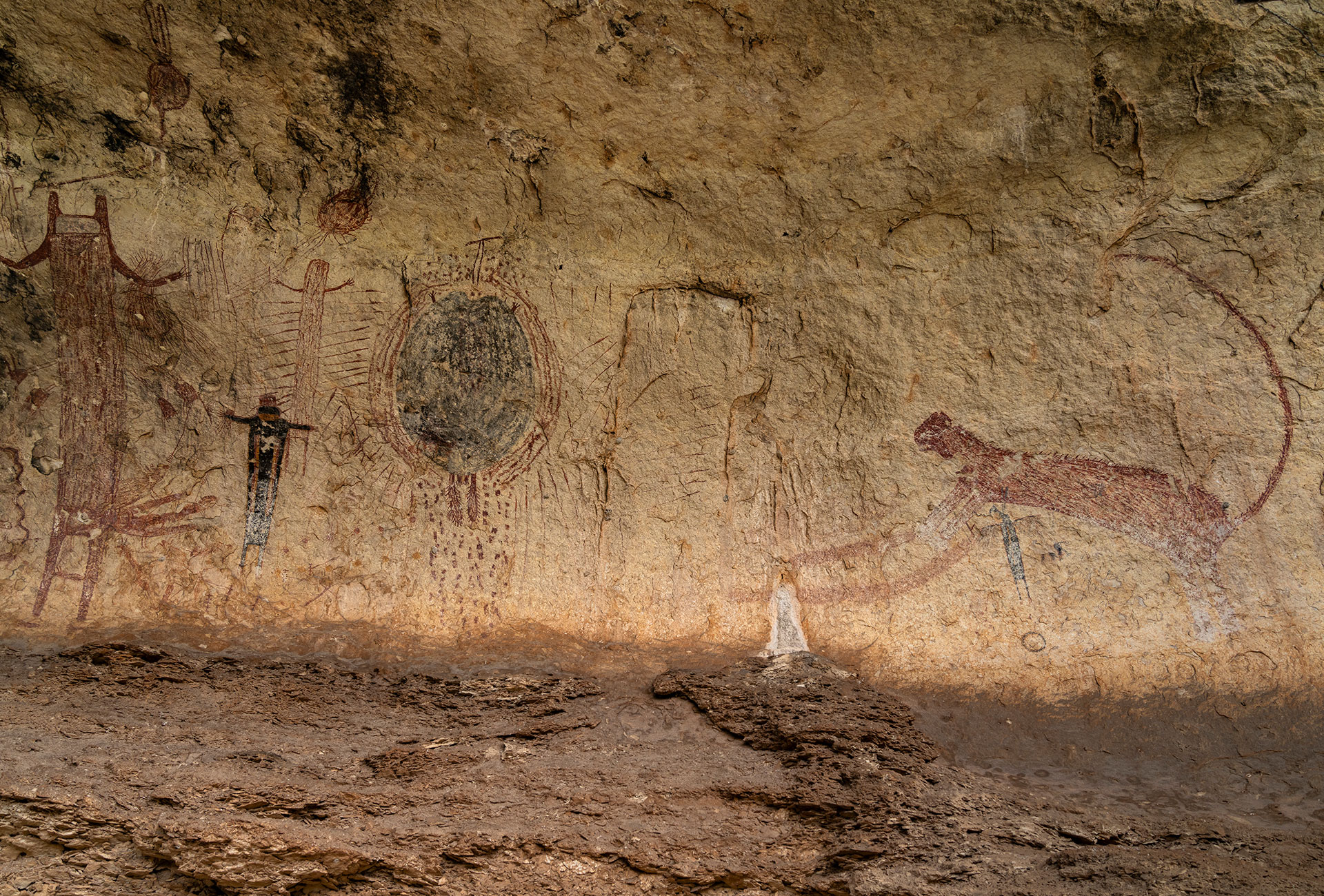
Seminole Canyon, Texas

Panther Cave, Texas

Nestled along the United States-Mexico border in southwestern Texas and northwestern Coahuila, the Lower Pecos River Archeological region encompasses an area of about 7900 square miles. Though this cultural region is fairly small, more than 2,000 archeological sites have been recorded. These sites cover a time span from the 19th century to over 10,000 years ago. Over 325 pictograph sites have been documented containing some of North America’s oldest and largest pictographs. The site is named after the distinctive large feline at the far end of the mural.

Learn More
The Flacon Warrior Rock Art Panel in Devilstep Hollow Cave, Tennessee

Devilstep Hollow, Tennessee

Devilstep Hollow Cave is a major cave at the Head of the Sequatchie State Park in Tennessee. The cave is a Mississippian era ceremonial site. The people who used Devilstep left behind artwork as part of their ceremonial practice. Mississippian people used Devilstep sometime between 1000 and 1300.

Learn More
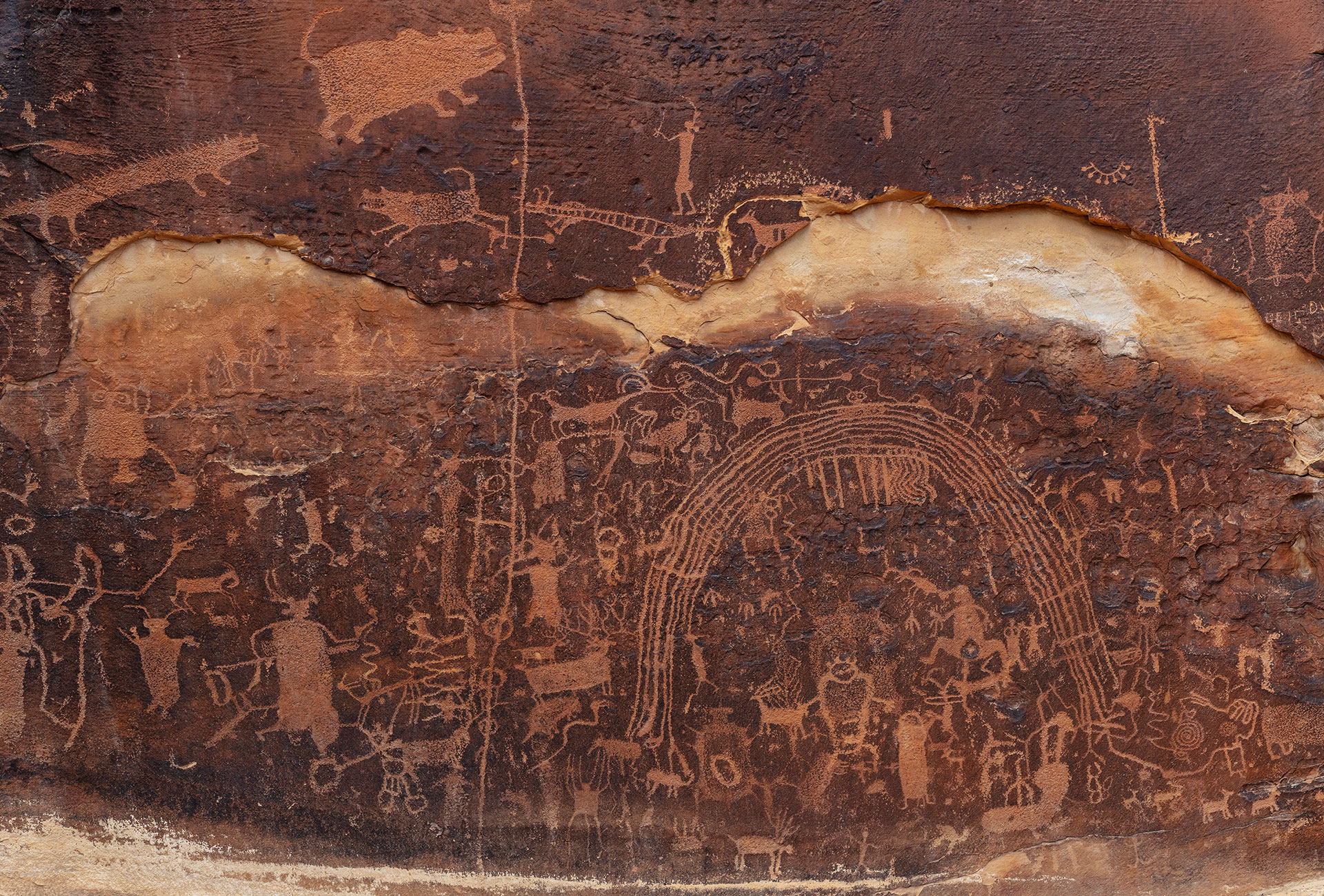
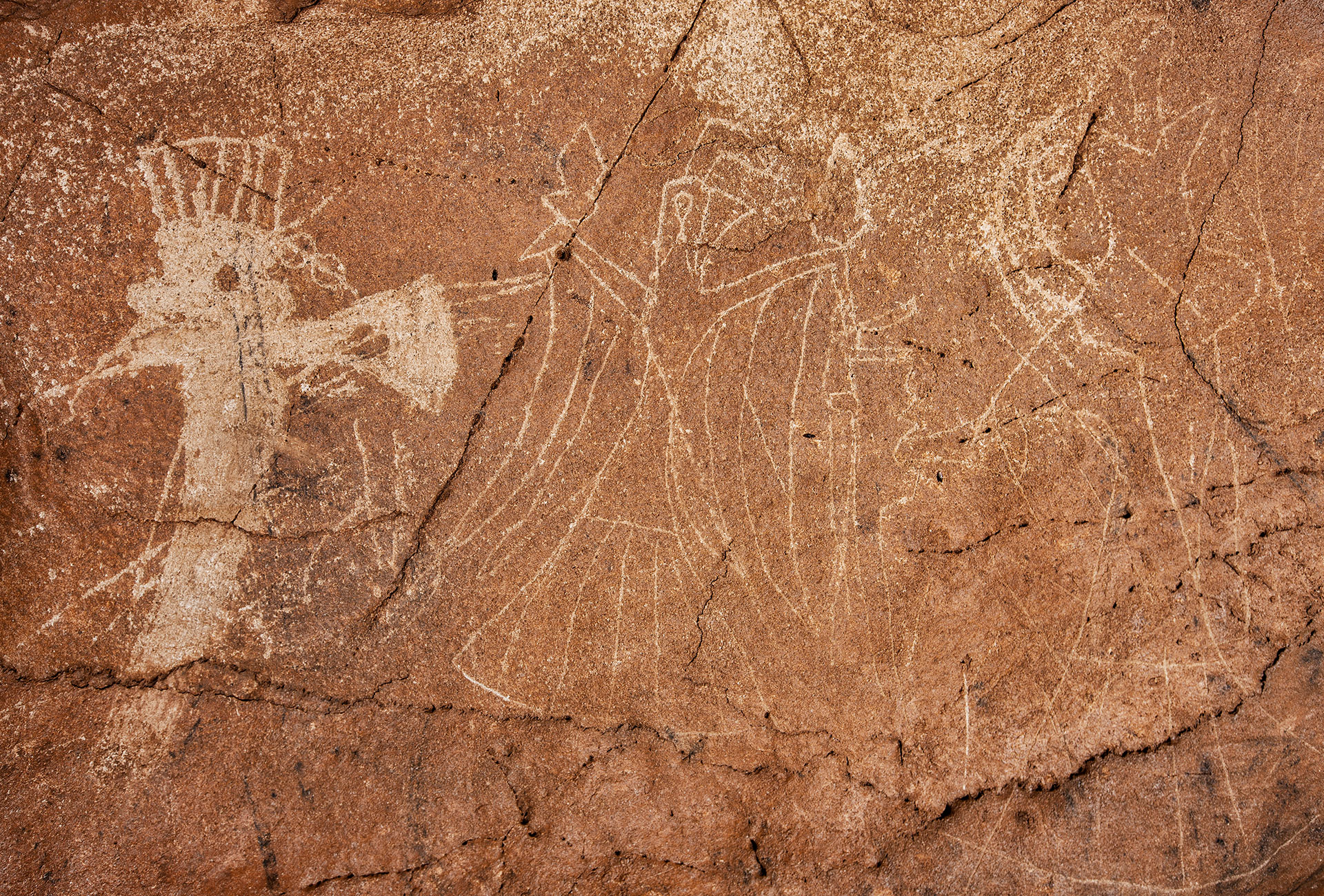
Rochester Creek Panel, Utah

Rochester Creek Panel, Utah

The Rochester Creek Panel, located within the San Rafael Swell has rock art experts divided as to if it belongs to the Fremont Culture or the earlier Barrier Canyon Culture. The site is one of the most unusual and detailed rock art sites in Utah.

Learn More

Search our ever-expanding Archive of rock art images from around the world

Image Archive

Rochester Creek, Utah

Handprints -Fish Canyon Utah

Venus of Laussel, Musee d’Aquitaine, France

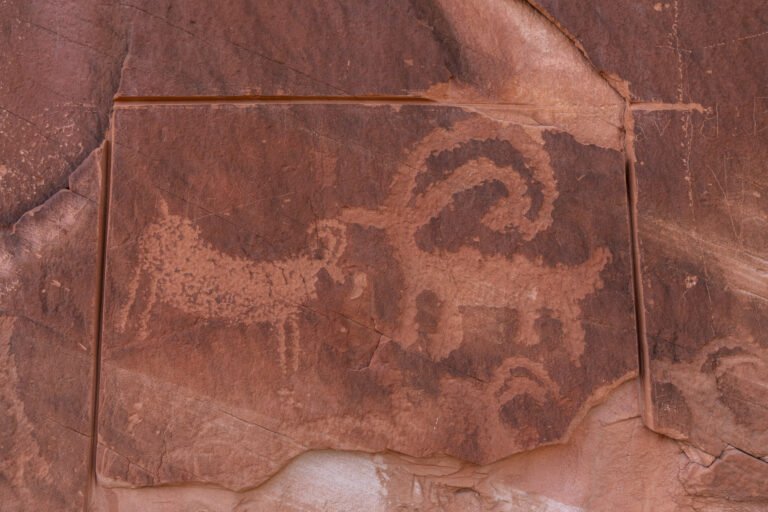
Fremont pictographs, Utah

Cueva de las manos, Argentina photo by Gregory Crouch

White Lady Pictograph, Namibia

Horse Panel, Chauvet pont d’arc, France

Bulls, Alta Mira Cave, Spain

Handprint, El Castillo, Spain

Shulgan-Tash Cave, Ural Mountains, Russia photo by Robbie Shone

Rupestrial paintings near Burgos Tamaulipas, Mexico photo Jesús López

Making artwork is a basic human instinct

International Public Art Site Recommendations. Making artwork is a basic human instinct. It defines our species and joins us together.

There are millions of ancient rock art sites spread across the world. For preservation’s sake, most of the locations are kept secret. However, some sites are open to the public, and we have compiled an international list of these accessible ancient art sites we recommend visiting. Is there a site you’d like to see on the list? Suggest it here.

When visiting ancient art sites, please tread lightly. Leave things as you found them. All art sites are important, and many are central to the belief systems of the living descendants of the original artists. Please treat rock art, geoglyphs and cave art with the same respect that you would show to artworks in a church, mosque or temple. For more guidelines, please see the Bears Ears Partnership’s Visit with Respect page.

Explore the Sites

Articles

All Articles