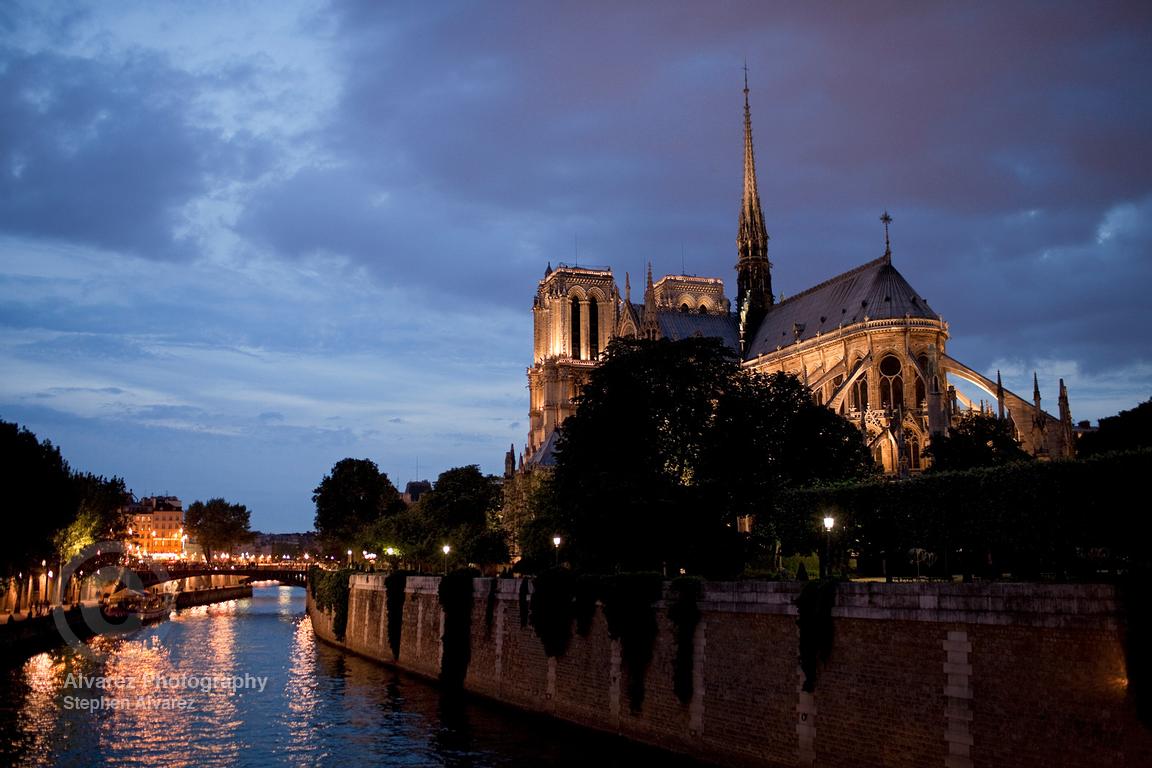
A "digital twin," a detailed 3D model of Notre Dame became the blueprint for rebuilding the gothic cathedral after the devastating 2019 fire. In 2010 the late Andrew Tallon set out to make a 3D scan of Notre Dame Cathedral in Paris. His purpose was pure research, a way to look at the construction and planning of the gothic masterpiece. The craftsmen left no record of why they made decisions about construction, no records of technique, no firsthand accounts. In interviews Tallon said that looking at the details of construction was like looking into the mind of the builders. The best way to take in those details as a whole was to build the cathedral digitally. He used state of the art 3D scanners to collect billions of datapoints. Tallon built a digital twin of the Cathedral. LUX has an excellent post about this (here). And a podcast for those...
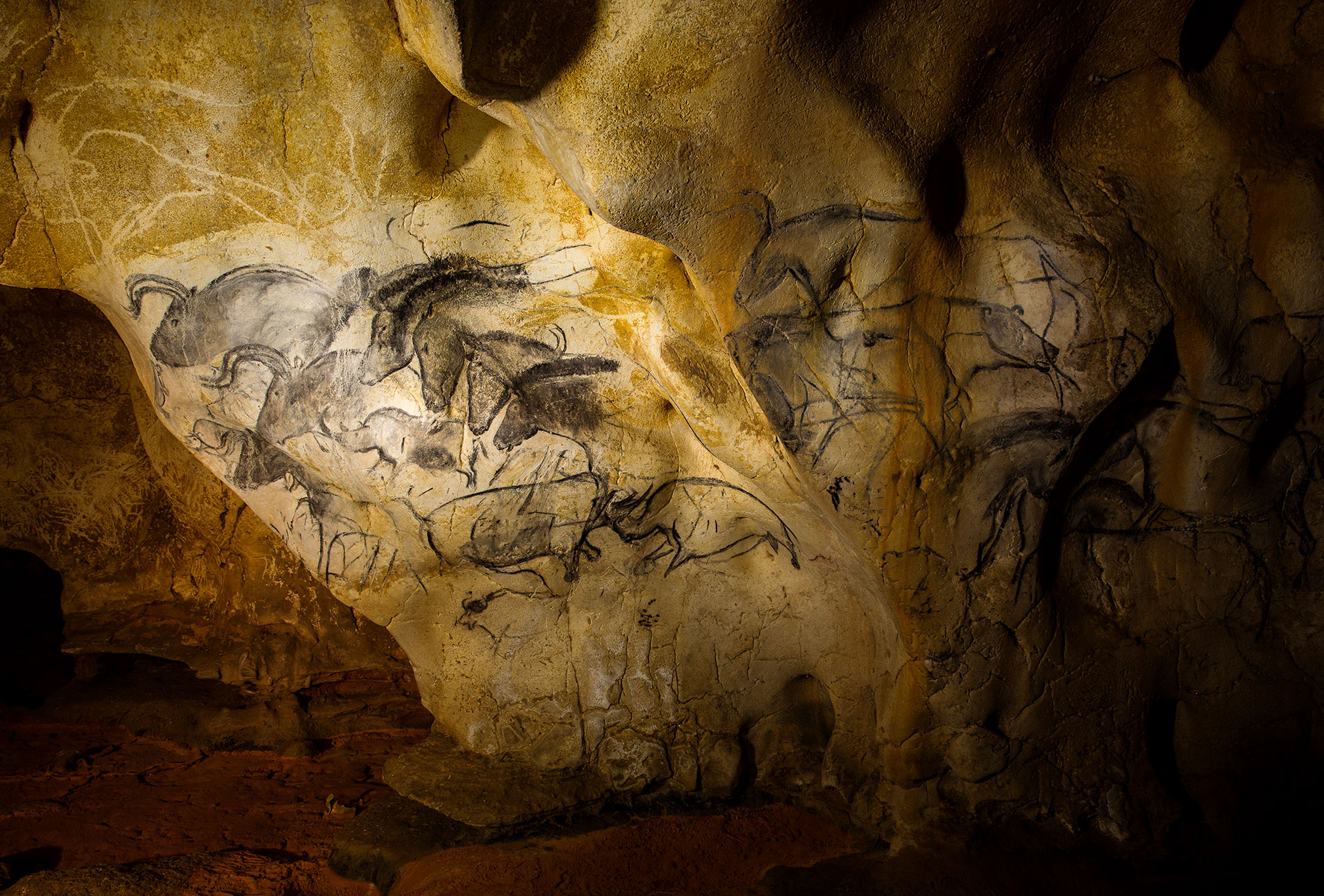
Rock Art: Pictographs, Petroglyphs, and Geoglyphs. Three techniques are used by the world's first artists. What do those terms mean and what does the art look like?
https://youtu.be/6njVt5X4WWo Creswell Crags, Nottinghamshire is one of the most important Upper Paleolithic sites in the British Isles and has been the focus for archaeologists for over 170 years. In 2021, Research Fellow, Dr George Nash at the University of Liverpool explored the walls and ceilings of several caves within the Gorge, including Church Hole Cave and Robin Hood’s Cave. The results of this survey revealed several panels in Church Hole Cave that showed potential evidence of painted surfaces using a locally sourced red pigment. Read about his findings at the Bradshaw Foundation website (here).
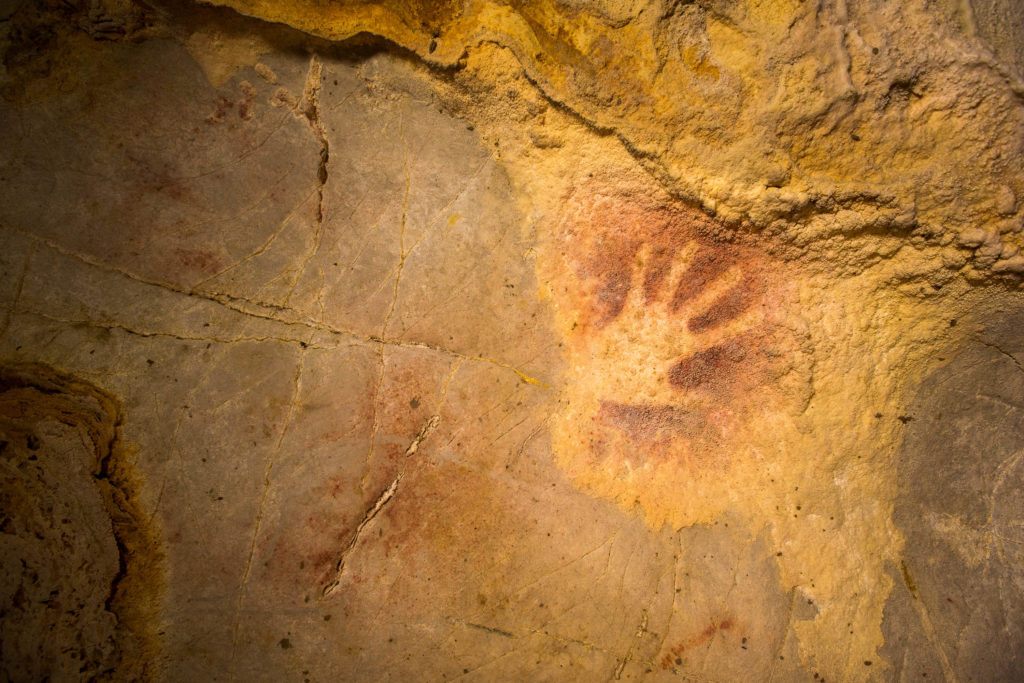
Claims that other species besides Homo Sapiens made art or used "symbolic behavior" have been met with skepticism. But evidence that Neanderthals did produce symbols keeps growing. In a paper published this week in the Journal PLOS One,
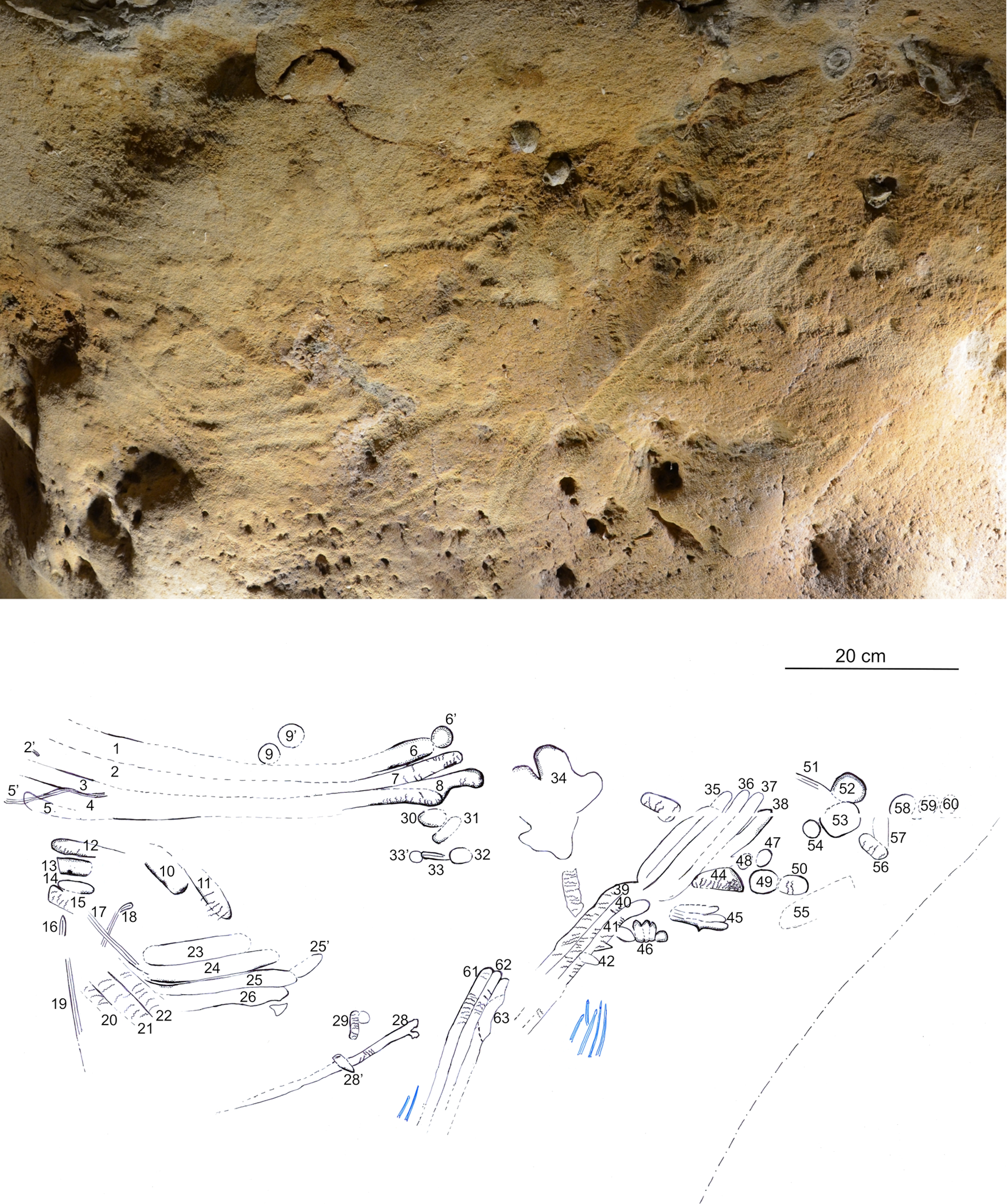
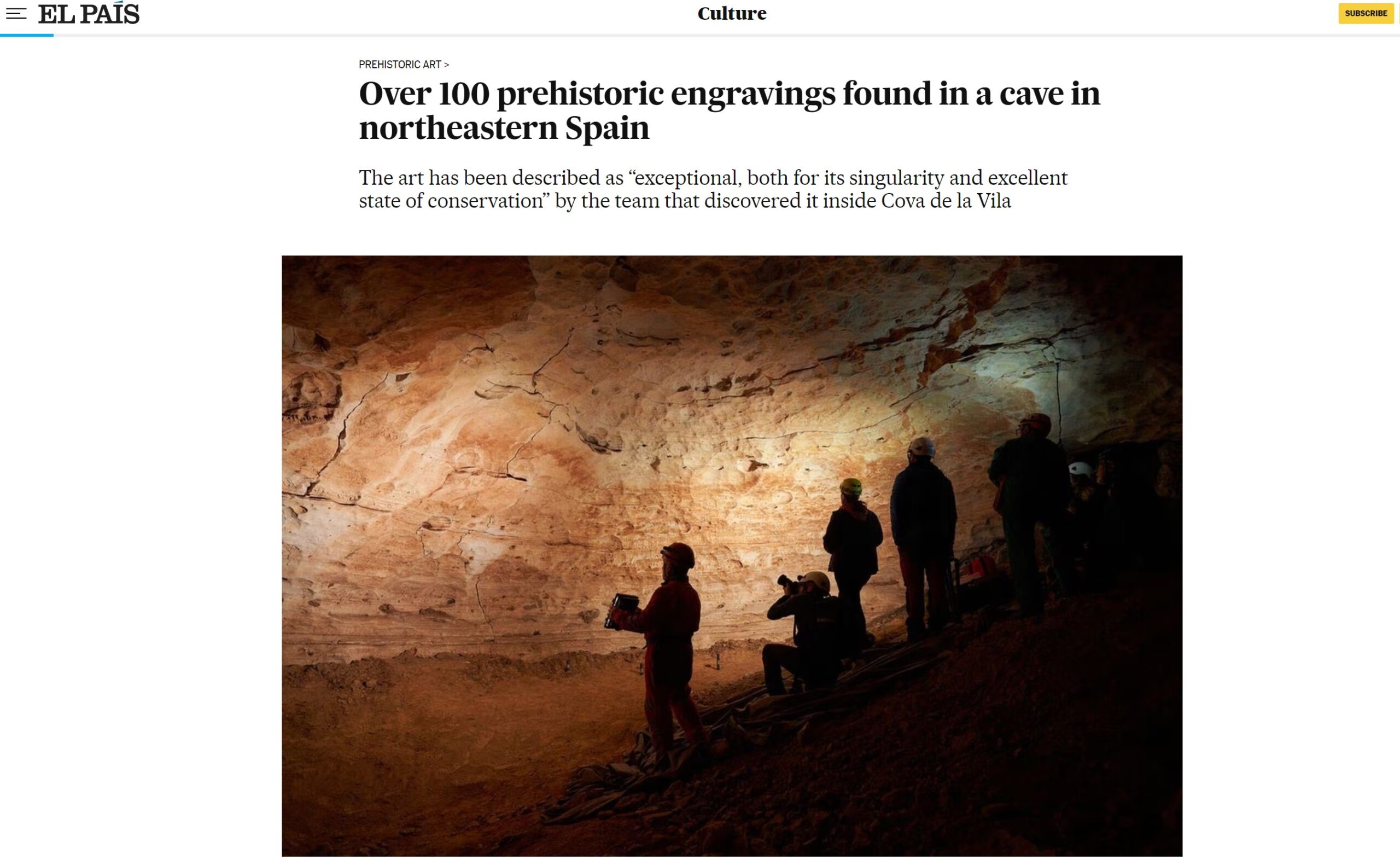
Over 100 engravings have been identified on an 8 meter long panel in a cave in Tarragona. The images are exceptional both for their uniqueness and their state of preservation.
We know that ancient artists were exacting observers of the natural world. But it is mind bending that they may have had a written time keeping system 20,000 years ago.