Land Near Great Serpent Mound Returns to Shawnee Hands
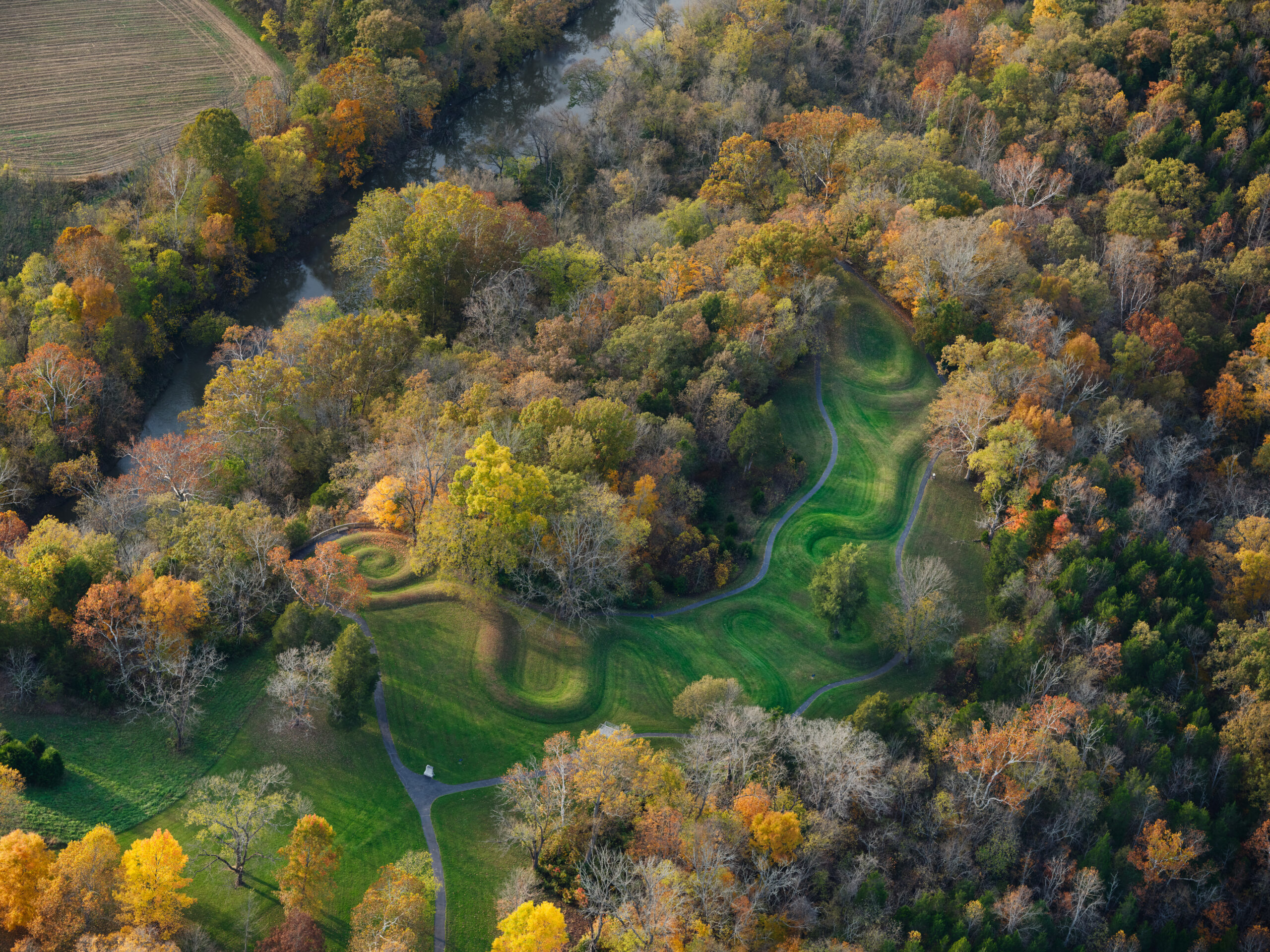
People often ask why we selected the sites we did for Rock Art: An American Story. There isn't a single answer to that question – and usually it's a combination. Sometimes it’s the grandeur or location of a site, sometimes it’s the site’s intriguing imagery, sometimes it’s because we have interesting insights into the site’s significance, sometimes it’s because the image I made evokes exactly the emotion I wanted it to. The reasons for selecting the Great Serpent Mound in Peebles, Ohio are particularly compelling. Not only is it one of North America’s most significant archaeological sites, Serpent Mound is the largest effigy earthwork in the world. It tells us a great deal about the beliefs and practices and capacities of the community that built it. And right now is a landmark moment in its history, because, after almost two centuries of forced removal, the descendants of those who built...