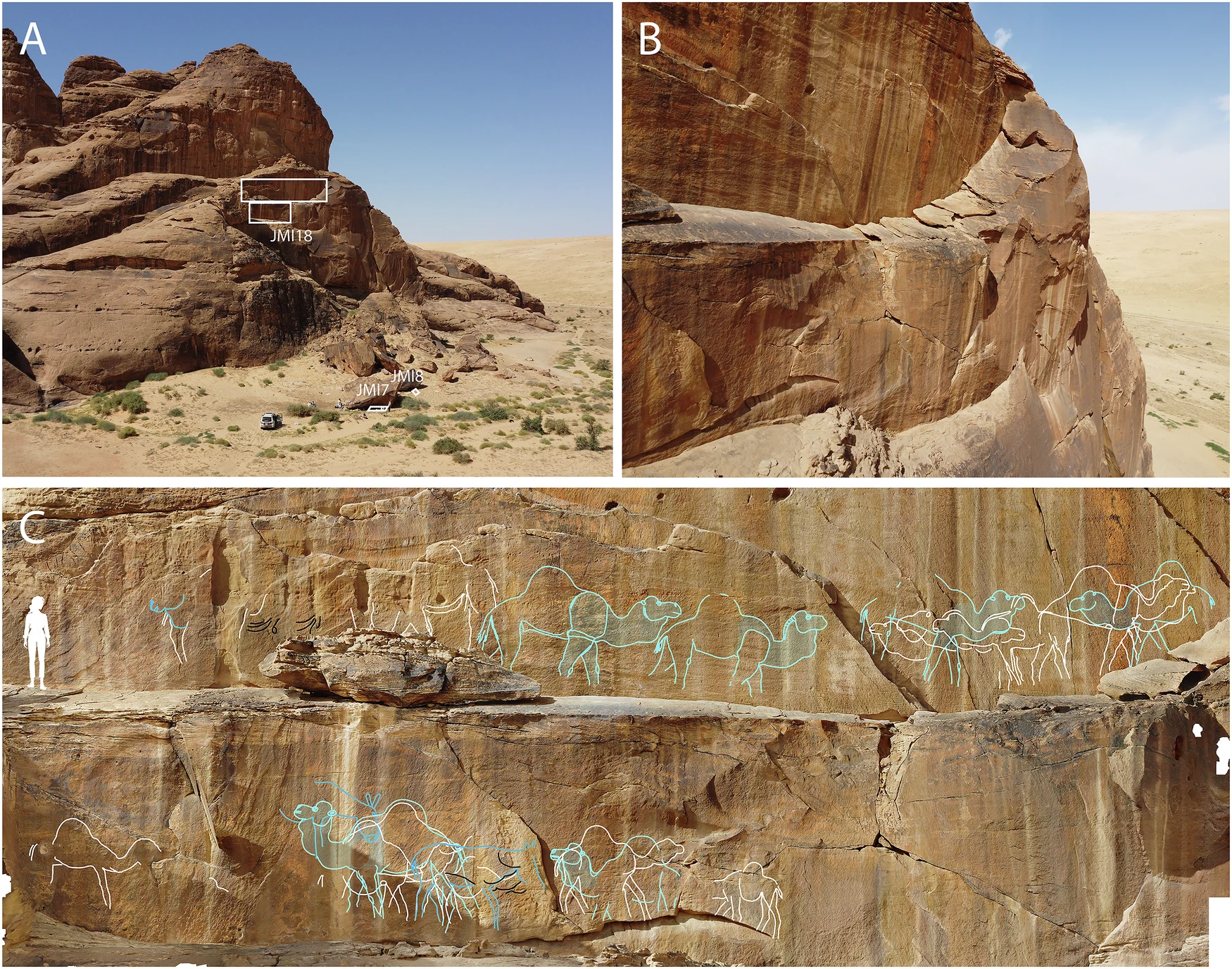
New research in Nature Communications reveals that humans re-entered northern Arabia much earlier than once thought. As lakes re-formed in the Nefud desert ~16,000–13,000 years ago, people followed—leaving stone tools, camps, and monumental rock engravings of camels, ibex, and gazelles that mapped water and movement across the desert at the end of the Ice Age.
Rock Art: Pictographs, Petroglyphs, and Geoglyphs. Three techniques are used by the world's first artists. What do those terms mean and what does the art look like?
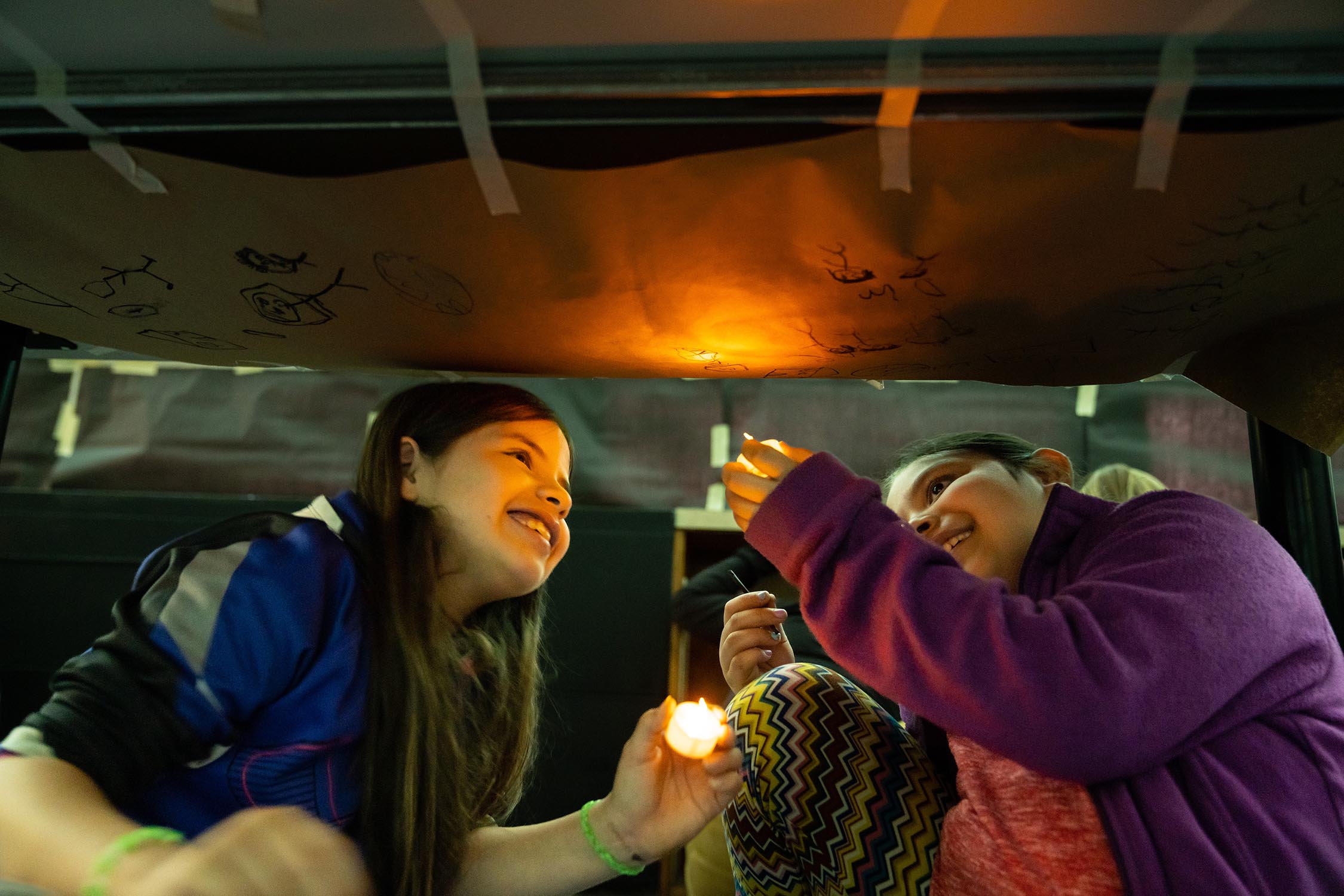
One of the significant challenges in education today is engaging children with opportunities to think critically and to creatively express their ideas. Piloted in Tennessee and Oklahoma, our first rock art activity hit the mark. Kids discovered how symbols can convey multifaceted meanings, capturing events and knowledge, cultural beliefs and stories, and individual self-expression. They reflected on their own identifies and stories, comparing themselves with those original artists, then created unique artwork that demonstrated their understanding of the purpose and power of iconography today. On top of that, they had fun! Over a year has passed, and they’re still talking about their experiences. This kind of lasting impact is precisely what we aim to achieve in education—lessons that inspire new perspectives, a deeper understanding of the world, and greater self-awareness. To build on this success, we’re moving forward with the process of developing four additional activities, each designed to be...
The Archive showed up on Wikipedia this week (here)! Wikipedia is the crowd sourced encyclopedia, its often the first place people go for information on any subject. We are thrilled to be added.
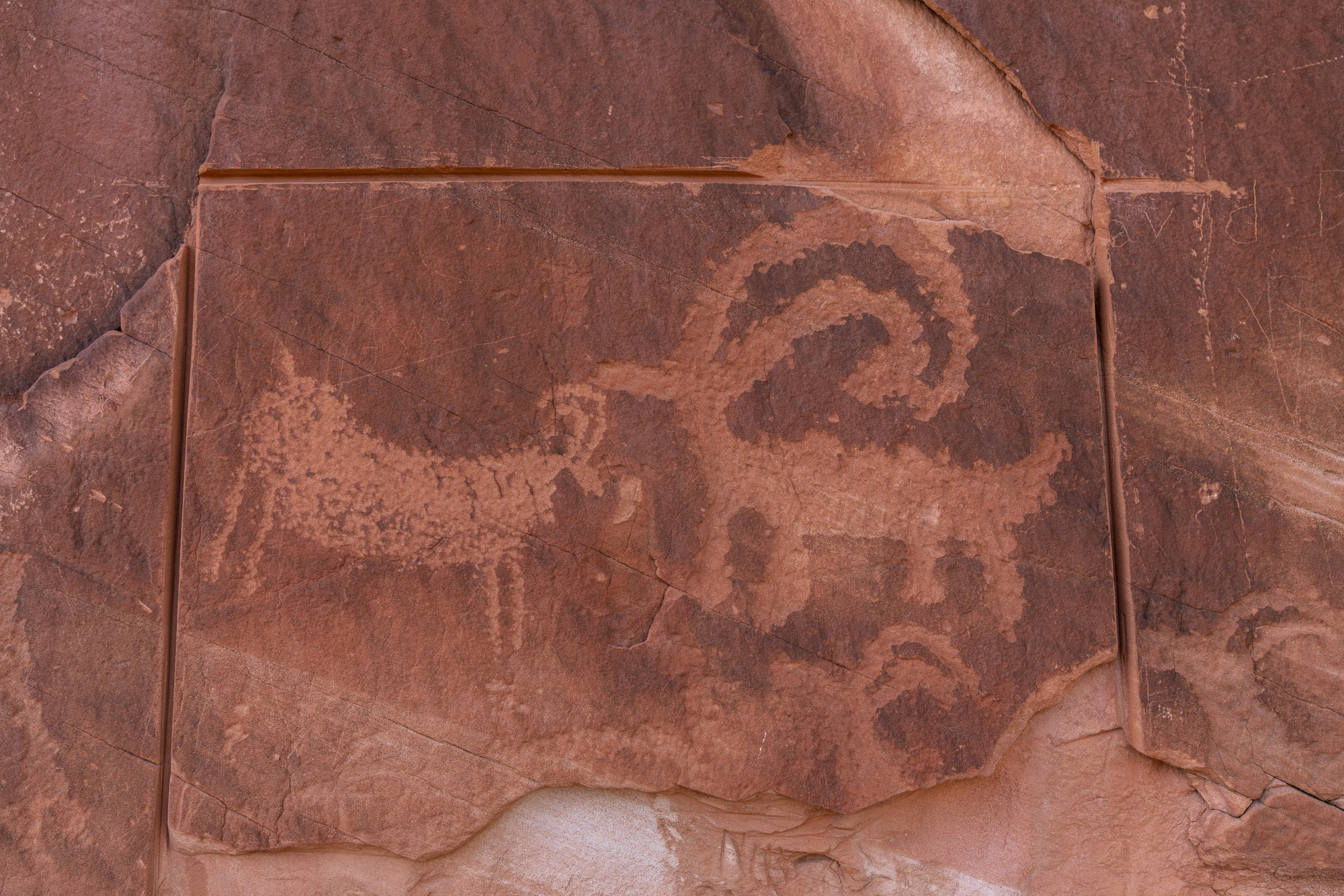
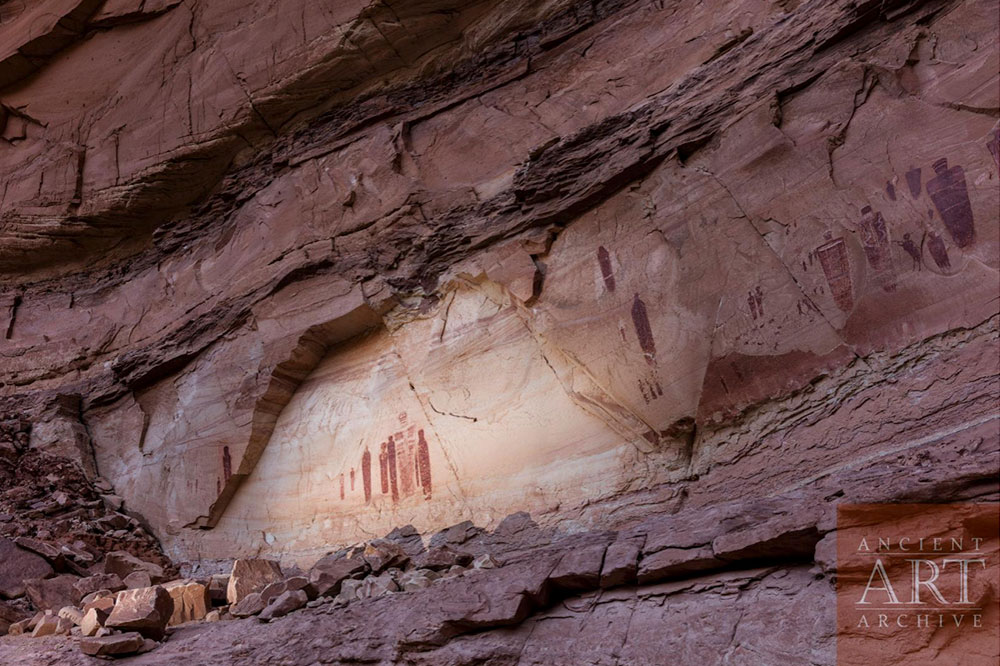
The Barrier Canyon Style (BCS) represents an intriguing facet of prehistoric rock art, primarily concentrated in Utah, notably flourishing within the San Rafael Swell and Canyonlands National Park regions
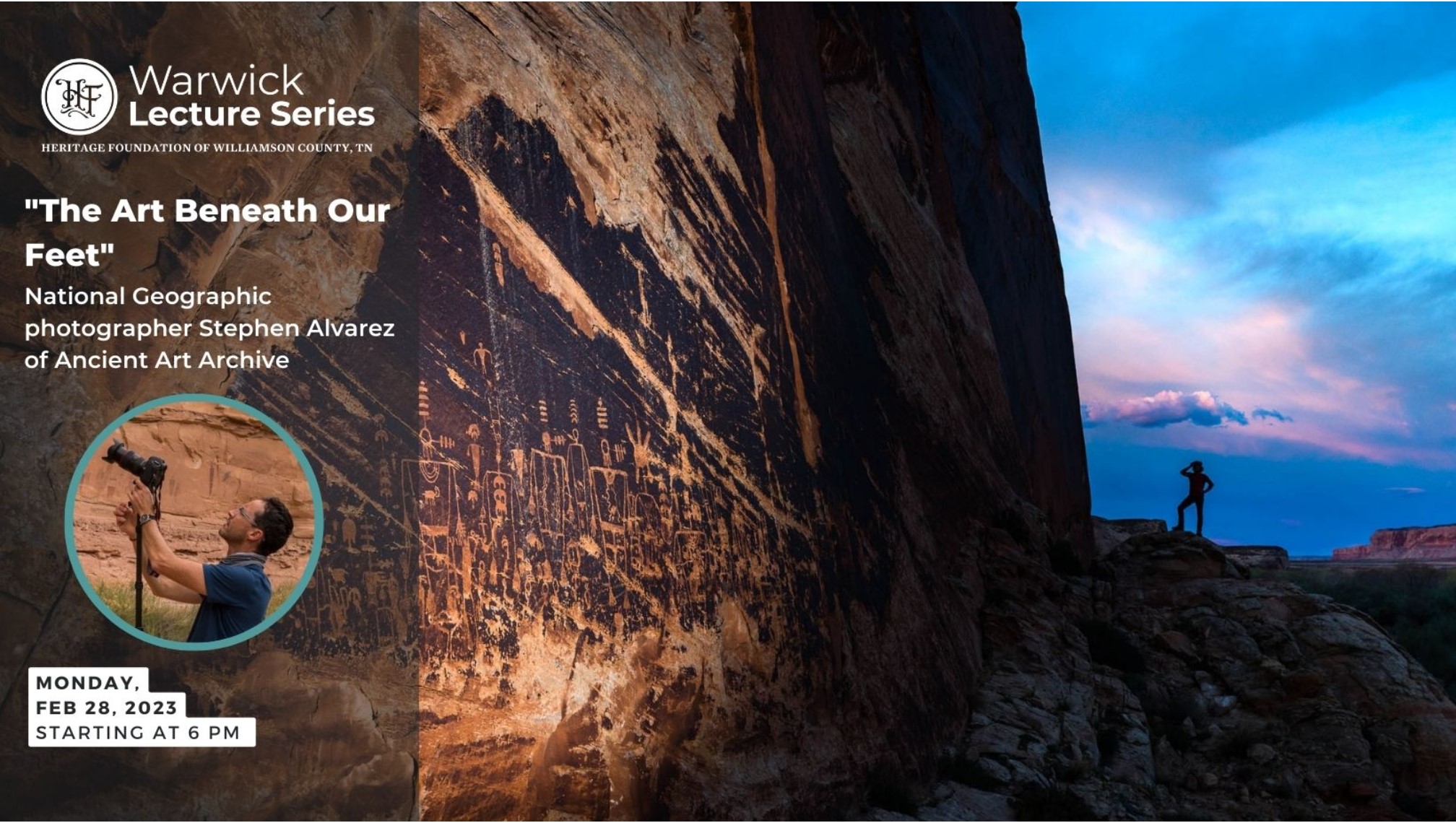
February 28th, 2023 6PM Central Standard Time Franklin, Tennessee Why are people artists? And what do the first artworks tell us about ourselves? Those questions have guided National Geographic photographer Stephen Alvarez on a decade-long quest to understand art’s biological origins and how it connects our past to our present. His journey has taken him from the southern coast of Africa, where humans first begin making paint over 100,000 years ago, to the discovery of the America’s largest cave artworks in the Southern United States. This presentation is in person and in partnership with Williamson County Heritage. It is free but registration is required (here). February 28th, 2023 6PM Central Standard Time Franklin Theater Franklin Tennessee
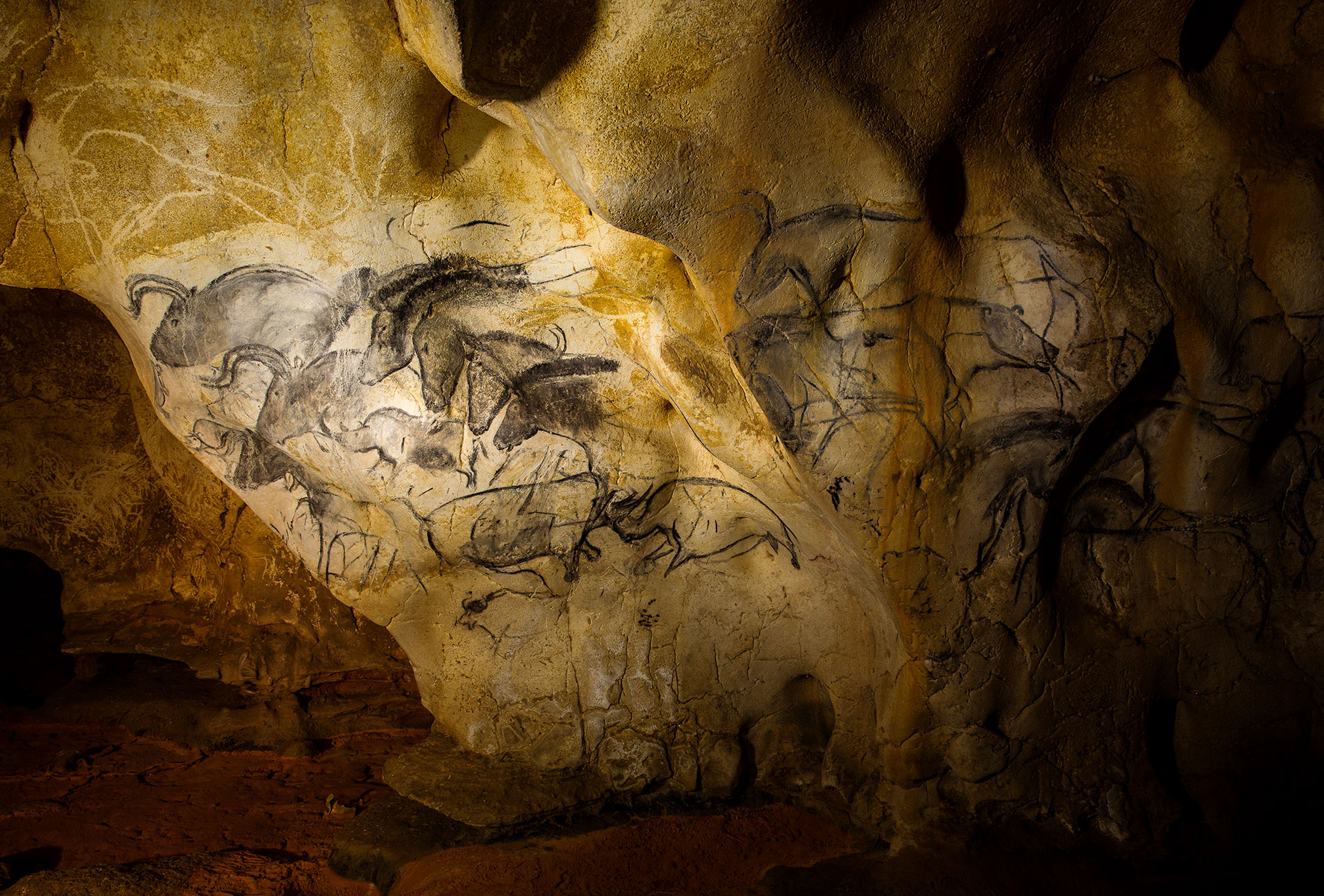
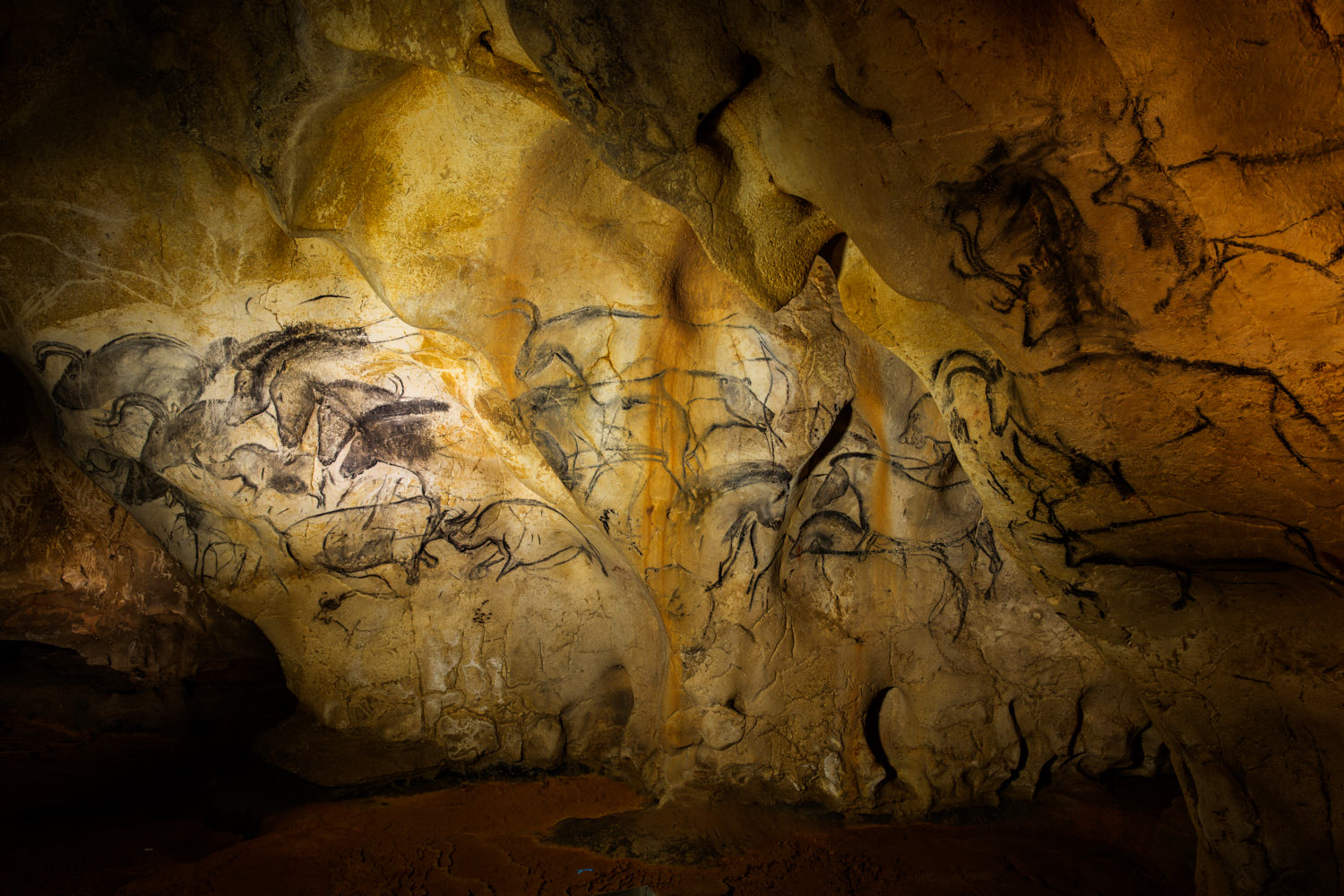
We know that ancient artists were exacting observers of the natural world. But it is mind bending that they may have had a written time keeping system 20,000 years ago.
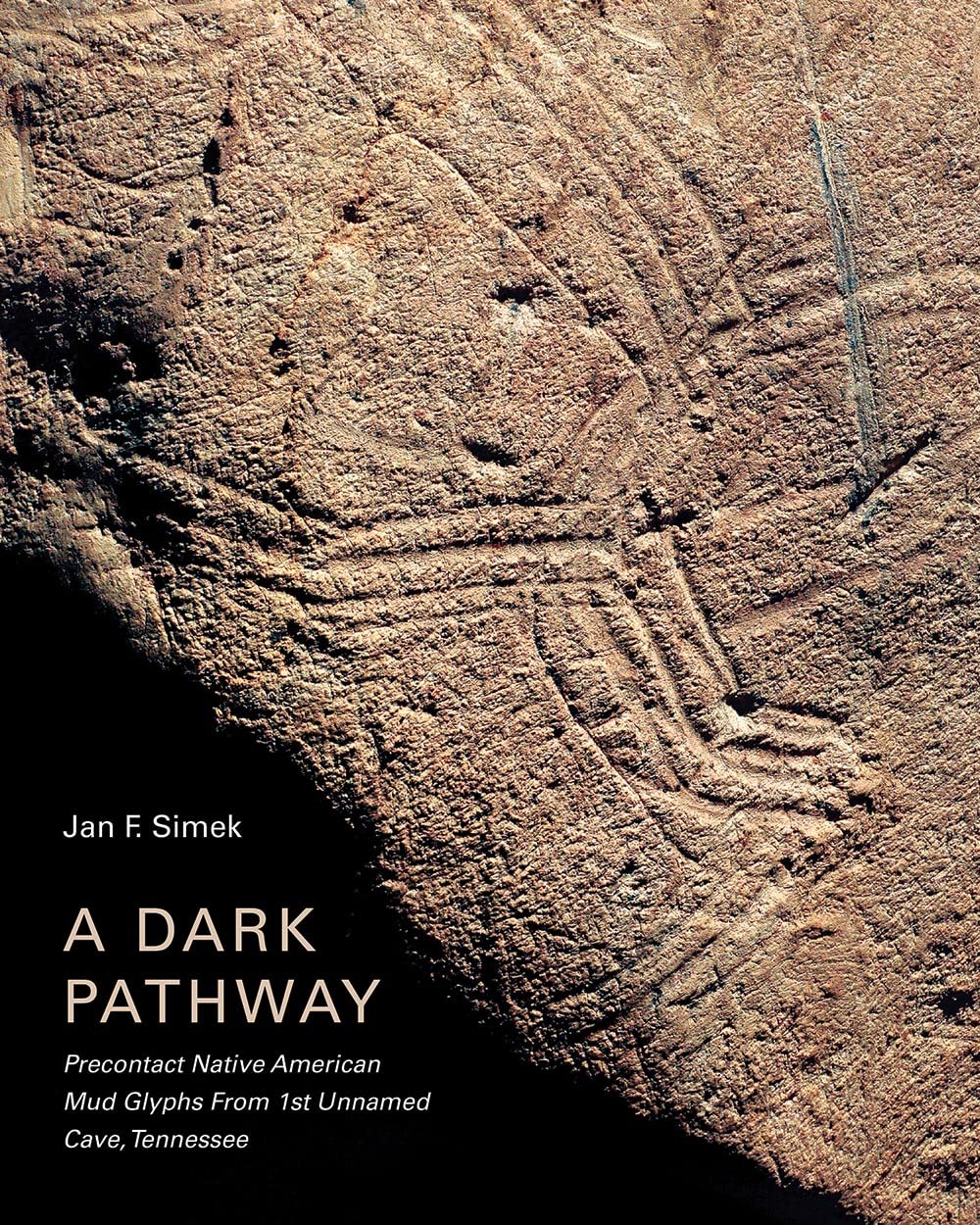
Founding board member emeritus Dr Jan Simek has a new book about cave art in the Southeastern United States. Dr David Whitley gives us a detailed review. A Dark Pathway: Precontact Native American Mud Glyphs from 1st Unnamed Cave, Tennessee, by Jan F. Simek. 2022. Knoxville: University of Tennessee Press. xviii+195 pp., 85 b&w and 19 color figures, 14 tables, bibliography, index. ISBN 9781621907176, hardcover. By David S. Whitley Rock Art Research Institute University of the Witwatersrand “Mud glyph” and “1st Unnamed Cave” are not particularly inspiring terms that, at first glance, might promote reading this book. Yet these very earthy, workman-like words in the sub-title exactly belie the careful, compelling and in fact exciting study detailed in this volume. Anyone interested in the Native American symbolic and spiritual world will benefit from and enjoy this book; it should be required reading for those concerned with the indigenous southeastern US...
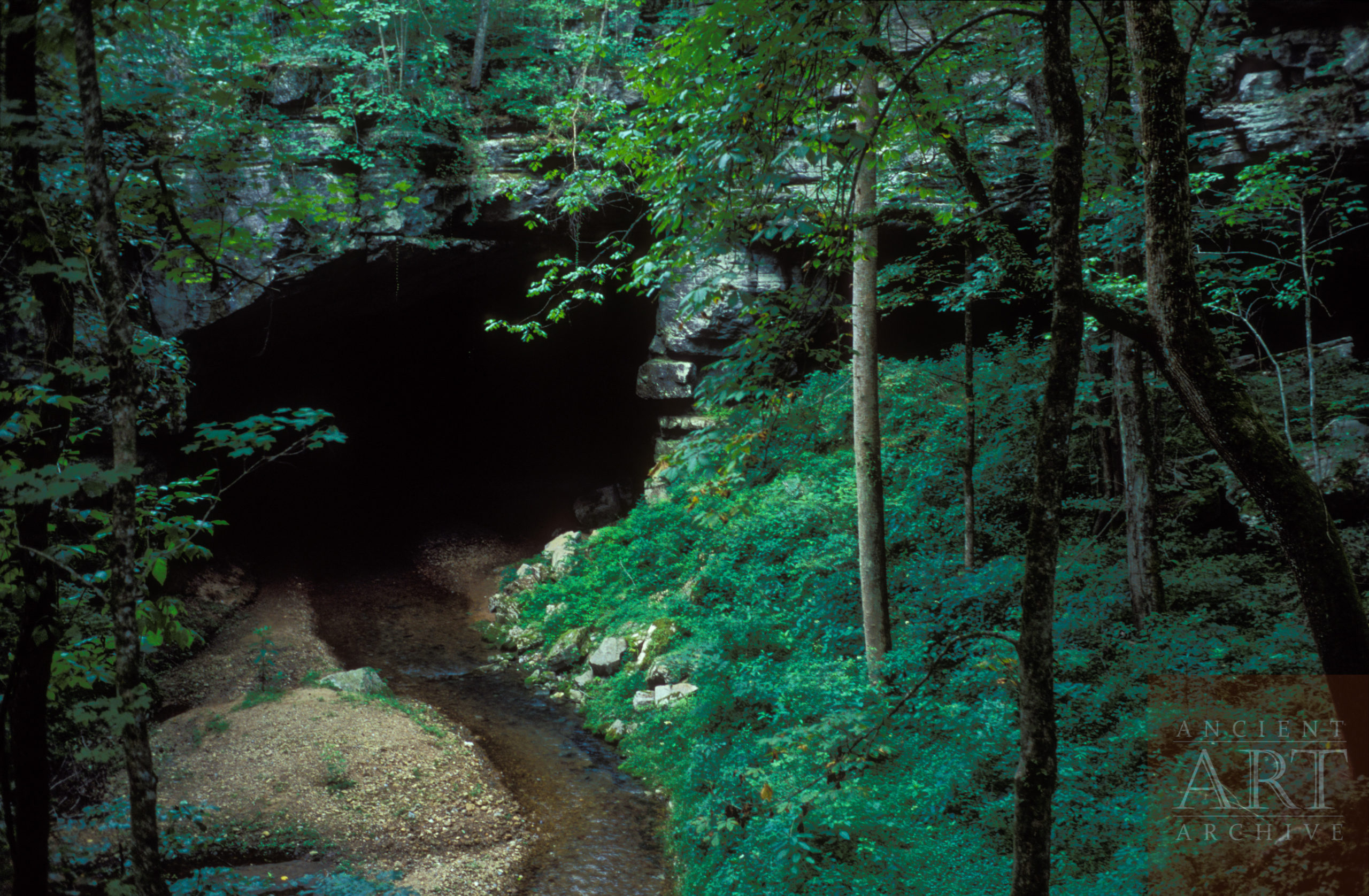
Indisputable evidence proves Indigenous Americans ventured as far as 3 miles into southeastern caves 5,000 years before the invention of electric light. Native Americans were excellent cave explorers.